

Why NFC Crypto Cards Like Tangem Feel Like the Future (and Why That Matters)
Okay, so check this out—I’ve been carrying a little plastic card that holds crypto. Wow! It fits in my wallet next to my driver’s license. Initially I thought hardware wallets had to be these chunky little gadgets with screens and cables, but then I tried a contactless card and my mental model changed. Long story short: it’s tiny, tactile, and weirdly satisfying when it taps and confirms a signature.
Whoa! The first time I tapped a card to my phone and a transaction signed, I laughed out loud. Really? It felt like using Apple Pay for money I actually own, not some cloud promise. My instinct said “this will be finicky,” though actually the NFC handoff was smooth on Android and surprisingly stable on iPhone (more on that later). I’m biased, but I prefer things that behave like everyday objects—credit-card form factor makes crypto feel normal again.
Here’s what bugs me about the old cold-storage narrative: most people don’t want to manage seed phrases on paper. Seriously? That’s asking someone to store a long ledger in a shoebox and hope their kids read it someday. On one hand, paper and seed backups are bulletproof if done right; on the other hand, they’re a terrible UX for day-to-day use. So the card approach tries to bridge that gap—tangible security without the ritual of BIP39 memorization or scribbling in a notebook.
Hmm… there are trade-offs. Initially I thought the card would be less secure than a dedicated hardware device, but then I dug into how keys are generated and stored. Actually, wait—let me rephrase that: the security model is different, not necessarily weaker. The private key never leaves the secure element on the card, and the card signs transactions locally. That matters because even if your phone is compromised, the card still controls signing.
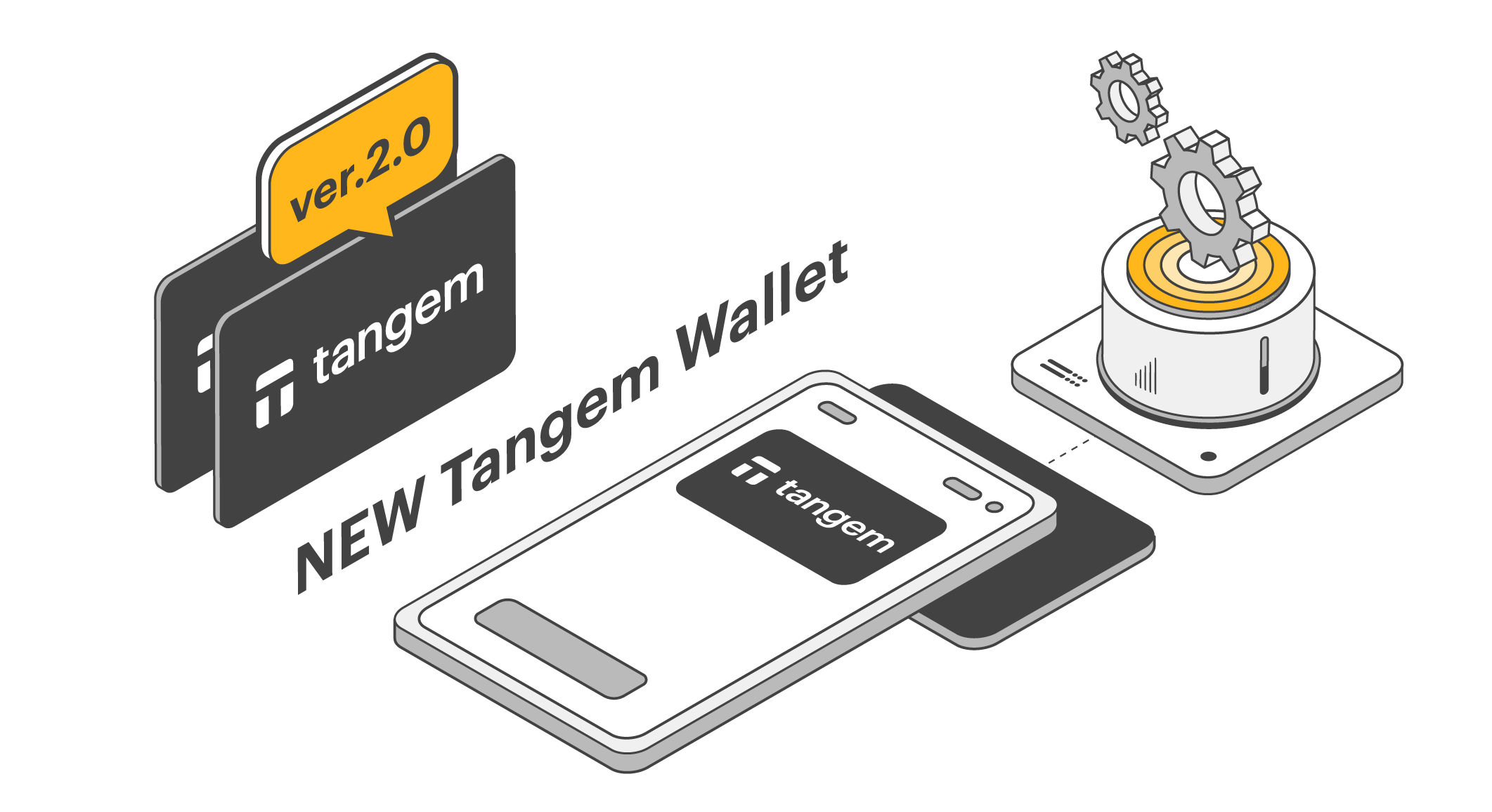
How the tangem wallet card changes the game
When I started using the tangem wallet card I noticed two things fast: it’s simple to set up, and it’s social-proof friendly. People I showed it to—friends at a coffee shop in Brooklyn, a cousin in Austin—instantly understood the metaphor. It behaves like a bank card: tap, confirm, done. That familiarity removes a huge friction point for adoption, because the mental model is already built-in from daily life.
One practical upside is durability. These cards are rated to resist bending and moisture, and my test unit sat in a gym bag for weeks without issue. Not that you’d recommend treating crypto storage like a gym towel, but still—it’s robust. Also, there’s no battery to die, no firmware update prompt that scares non-techy friends. The interface is basically “tap and sign,” which is refreshingly low drama.
On the technical side, the card uses a secure element and NFC to negotiate signatures with your phone. My instinct said the connection would be inconsistent, but in practice the handshake is quick and error rates are low. That doesn’t mean it’s flawless—I’ve seen a rare delayed tap, especially when my phone had a lot of background noise (apps, notifications). But those were edge cases, not daily blockers.
Here’s a weird personal quirk: I like the sound of the tap. Sounds silly, but it gives assurance, like a physical click. Some people buy tactile things for that reason; I’m in that camp. Also, somethin’ about having a physical token makes me treat keys with a bit more respect, oddly enough.
Security trade-offs and mental models
Let’s be clear: no solution is perfect. Wow! A card is not an air-gapped vault in the strictest sense. On one hand, the private key is isolated; on the other, the NFC interface is an active attack surface if someone gets close and you don’t guard physical access. That’s not hypothetical—physical custody matters. Initially I thought “physical equals safe,” but then I realized that a lost card is an immediate risk unless you have a recovery plan.
My working recommendation is to treat a card like a hardware wallet: keep one active, and maintain a separate, secure backup strategy. You can pair this card with a recovery phrase stored in a safe, or use a backup card stored elsewhere. I’m not 100% sure everyone will adopt backups, but if you’re moving serious funds, redundancy is essential. Too many users assume “one thing is enough,” and that’s a mistake.
On the ecosystem side, integration matters. Tangem and similar solutions are building SDKs and integrations with wallets so the card can sign for various chains. That means convenience, but also a dependency on how well wallets implement the card’s protocol. Over time, as more wallets support NFC signing properly, the whole experience improves. Right now, some wallets do a better job than others; that’s an industry growing pains thing.
Here’s the kicker: for everyday use—sending small amounts, using DeFi dApps casually, proving ownership at a kiosk—a contactless card is brilliant. For multi-sig treasury operations or highly sensitive cold storage, you might still prefer specialized hardware with display-based verification and multi-device signing. On one hand, the card democratizes security; though actually, it complements other tools rather than replacing them.
Real-world tips from someone who’s carried one for months
Bring a backup. Seriously. Keep one card in a home safe, and keep another in a secure place off-site if funds are significant. Also, label them subtly—don’t write “crypto” across the back. I’m biased, but hiding in plain sight works. When traveling, I put my main card in a front pocket, and the backup in a different bag. It sounds paranoid, but losing hardware is annoyingly easy.
Test restores periodically. Hmm… you’ll thank me later. Try restoring a wallet to confirm your backup is valid—this is one of those chores everyone avoids until it’s too late. Also, practice using it in different phone configurations. NFC stacks differ between phones, and your old handset might behave differently than a new one.
Keep firmware and app versions updated on things that manage your card. That said, updates for the card itself are rare and conservative, which I appreciate. Too many connected devices push half-baked updates; this field moves cautiously for good reason.
FAQ
Is a Tangem-style card as secure as a Ledger or Trezor?
Short answer: different model, similar goals. A card secures the private key in a tamper-resistant element and signs transactions over NFC, so your key never leaves the card. Longer answer: devices with screens let you verify exact transaction details on-device, which some users prefer for large-value transfers. Use cases determine the right tool—cards for everyday secure use, screen-equipped devices for high-value ops.
What happens if my card is lost or stolen?
You’ll need a recovery method. If you set up a recovery phrase or a backup card, you can restore control to a new device. Without a backup, recovering funds is effectively impossible—this is crypto 101, and it still trips people up. Keep backups secure and test them occasionally.
Will NFC cards work with all phones?
Mostly yes, but there are quirks. Android tends to be more flexible with NFC stacks, while iOS has restrictions that can limit some interactions. Before relying on a single phone for daily operations, test the card on your device(s). These days compatibility is good, but not universal.
Mónica Hernández
ECMH alumni